



Running a business often means wearing many hats. One day, you might be negotiating with suppliers, and the next, you’re fixing a leaky roof, calming an unhappy customer, or hiring your first employee. Somewhere in that whirlwind of responsibilities, one question tends to surface: What insurance does a small business actually need?
Understanding requirements for small-business insurance in New Jersey helps business owners protect everything they have worked to build. From state regulations to everyday liability risks, the right coverage keeps an unexpected incident from becoming a financial crisis.
Below are several of the most common questions New Jersey business owners ask when evaluating insurance.
What Kind of Insurance Is Mandatory in New Jersey?
New Jersey state law requires most businesses with employees to carry workers’ compensation insurance. This coverage pays for medical care, rehabilitation costs, and lost wages if an employee suffers a job-related injury or illness.
While workers’ compensation is the primary legal requirement, other types of insurance may be necessary, depending on the business. Contractors may need liability insurance to obtain licenses. Businesses with company vehicles need commercial auto coverage. Landlords often require proof of liability insurance in lease agreements. The list goes on, so it’s important to know what your particular business needs.
At What Point Do You Need Business Insurance?
Many owners assume insurance becomes necessary only after hiring employees or signing a commercial lease. In reality, coverage should begin as soon as business operations start.
Even a small operation carries risk. A customer could slip on a wet floor. A contractor might accidentally damage a client’s property. A laptop containing sensitive information could be stolen from a vehicle.
Insurance acts as a financial safety net. Instead of absorbing major expenses after an accident or lawsuit, businesses with proper coverage can continue operating and recover more quickly.
What Types of Insurance Do Small Businesses Commonly Carry?
Most small-business insurance programs combine several policies to address different exposures. Some of the most common include:
- General liability insurance: Protects businesses if a customer is injured on the premises or if the business accidentally damages someone else’s property
- Commercial property insurance: Covers buildings, tools, equipment, and inventory from events such as fires, storms, or theft
- Business interruption coverage: Helps replace lost income if a covered event forces the business to temporarily shut down
- Commercial auto insurance: Protects vehicles used for deliveries, job sites, or transporting equipment
- Professional liability insurance: Protects service-based businesses from claims involving errors, omissions, or professional advice
Do Businesses in Different Areas Have Unique Insurance Considerations?
Location and business type can influence a company’s insurance needs more than many business owners realize. Whether you’re operating a retail store in Wantage, a contracting business in Sussex County, or a professional office in nearby communities like Newton or Sparta, local conditions can shape the types of risks your business faces.
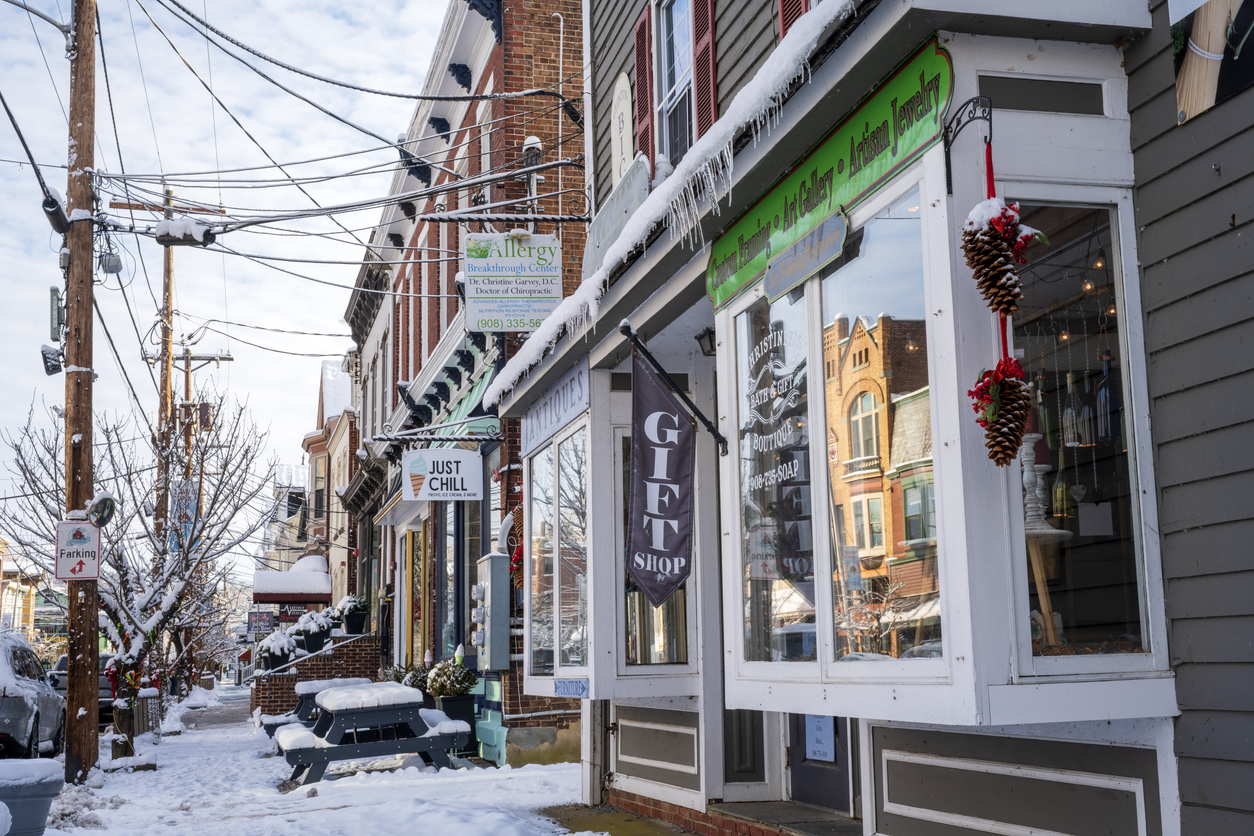
For example, retail businesses in town centers may focus more on slip-and-fall liability risks related to customer foot traffic. Businesses that rely on equipment, inventory, or service vehicles may also need property and inland marine coverage to protect tools and materials that move between job locations.
Weather can also play a role in northern New Jersey. Heavy snow, ice, and seasonal storms increase the potential for property damage and liability claims, especially for businesses responsible for maintaining safe walkways and parking areas.
How Much Is Liability Insurance for a Small Business in NJ?
Liability insurance costs vary widely because every business operates differently. Several factors influence pricing, including:
- Industry risk level
- Number of employees
- Annual revenue
- Coverage limits selected
- Claims history
A small retail shop may pay a few hundred dollars per year for general liability insurance, while higher-risk industries such as construction, manufacturing, or hospitality often require broader policies with higher limits.
The most accurate way to estimate costs is to review operations with an insurance professional who can evaluate risk exposures and recommend coverage options.
How Can Businesses Reduce Insurance Risks and Costs?
Insurance protects businesses from major losses, but proactive risk management can help prevent many incidents before they occur.
Simple strategies that can make a difference include:
- Implementing safety training programs for employees
- Maintaining clear workplace procedures and documentation
- Inspecting facilities for hazards
- Reviewing contracts and vendor agreements
- Updating insurance coverage as the business grows
Building a Business That Can Weather The Unexpected
Entrepreneurs spend years developing their businesses, cultivating relationships, and earning customer trust. Small-business insurance in New Jersey plays a powerful role in protecting that investment.
Understanding coverage requirements, evaluating risks, and choosing appropriate policies is the best way to prepare for the road ahead. When unexpected events occur — and they inevitably do — the right insurance program helps ensure a setback does not become a shutdown.
Call Provident Protection Plus to explore your options and protect what you’re building.
About Provident Protection Plus
For more than 65 years, Provident Protection Plus has served businesses and residents across several states nationwide. Today, we are a wholly owned subsidiary of Provident Bank, the region’s premier banking institution. To learn more about our coverage options, contact our specialists today at (888) 990-0526.