



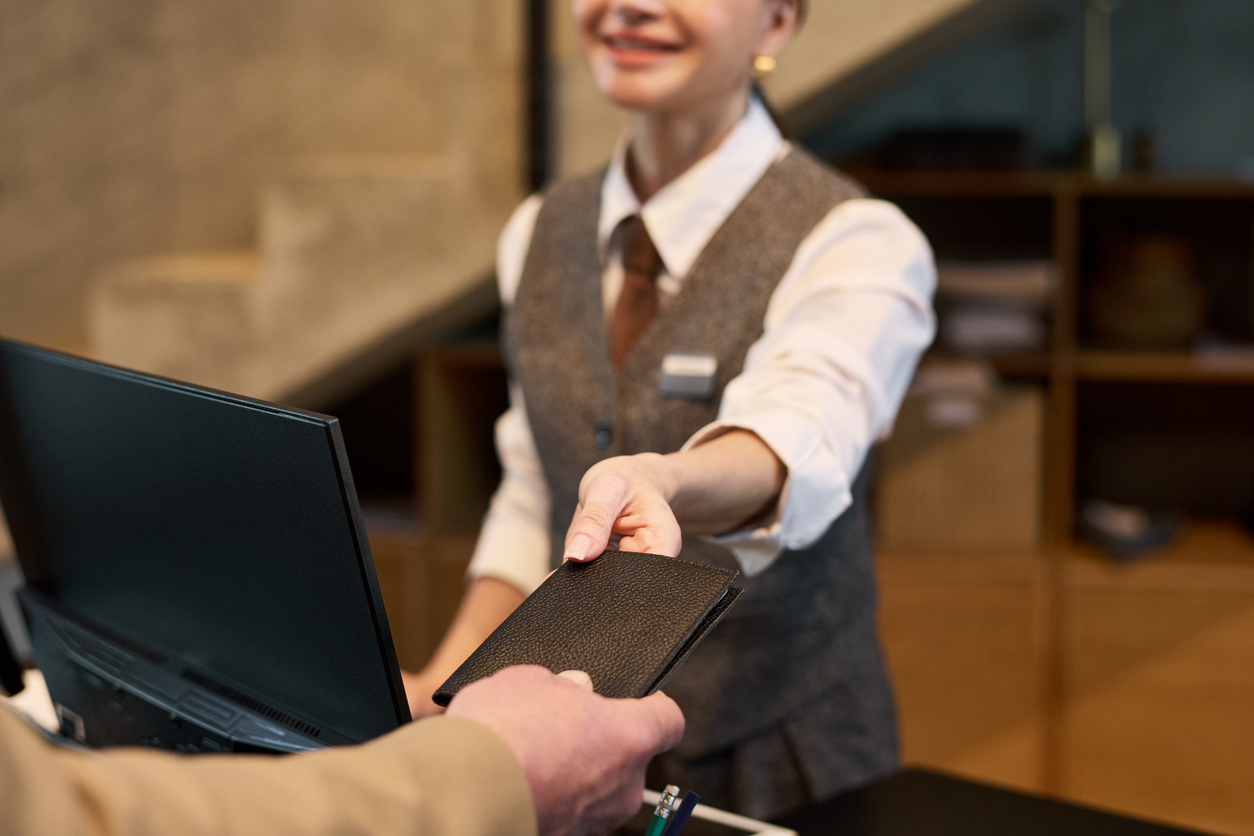
For hospitality businesses, growth feels great. A packed dining room, a second location under construction, increased online reservations, and new event bookings on the calendar — these are all signs that your venture is thriving.
But hospitality today is about far more than rooms, meals, or special events. Guests expect seamless digital experiences, sustainable practices, and flexible service models. As McKinsey notes, operators are investing in technology, efficiency, and new guest experiences to stay competitive. Those shifts create opportunity, but they also reshape risk.
If your business has grown, changed, or diversified, here’s why your hospitality business insurance should reflect that reality.
What Is Hospitality Insurance?
Insurance for hospitality industry businesses is not a single policy. It is a coordinated program designed to protect restaurants, hotels, bars, venues, and related operations from the unique risks they face.
A comprehensive hospitality business insurance program typically addresses:
- Liability from guest injuries
- Property damage
- Liquor-related claims
- Cyber threats
- Employment issues
- Business interruptions
Tailored coverage is key. A neighborhood cafe does not carry the same exposure as a multi-location restaurant group hosting private events and selling alcohol late into the night.
How Industry Innovations Create New Risk Profiles
A one-size policy purchased years ago may not account for new services, higher revenue, or expanded operations. Here are some of the trends impacting coverage needs for hospitality businesses.
Guest Personalization & Automation Tech
Mobile check-in, digital room keys, online ordering, and integrated payment systems make service faster and more convenient. They also increase reliance on data and technology.
If a payment platform fails or guest information is exposed, legal claims, regulatory scrutiny, and reputational damage may follow. As hospitality businesses adopt more digital tools, cyber liability and technology-related protections become essential considerations.
Sustainability & Wellness Investments
Energy-efficient equipment, upgraded HVAC systems, outdoor dining expansions, and eco-focused renovations appeal to modern guests. However, new systems bring new responsibilities.
If recently installed equipment malfunctions and causes property damage, or if a renovation changes the building’s value, your insurance limits must reflect those updates. Growth in sustainability should not outpace protection.
Workforce Evolution
Staffing models have changed. Employees often take on multiple roles, and businesses compete hard to retain talent. With more employees and more complex operations comes greater exposure to employment-related claims.
Clear policies, training, and appropriate liability protection help reduce the risk of disputes that can drain time and resources.
Real-World Risk Scenarios for Hospitality Businesses
Every time your business evolves, your exposure changes with it. Consider a few potential operational risk scenarios and how they might apply to your organization:
- A restaurant expands into catering. Now food leaves the premises, and contracts may require higher liability limits. A guest illness at an off-site event can trigger claims far beyond what the original policy anticipated.
- A hotel adds third-party booking platforms and online check-in. A system error leads to a double booking and a public dispute. Without proper coverage, that mistake becomes a financial headache.
- A bar increases alcohol sales and extends hours. More foot traffic and higher revenue can mean higher liquor liability exposure. If limits stay the same while business doubles, protection may fall short.
- A hospitality group opens a second location under a new LLC. If that entity is not properly listed on the policy, a major claim could leave one location exposed.
- A venue adds rooftop dining. Property values rise, and liability shifts with outdoor heaters, railings, and weather-related risks. If the policy has not been updated, the business may be underinsured.
The lesson is simple: Innovation does not create the problem. Failing to update coverage does.
FAQ About Hospitality Business Insurance
How often should I review my policy as my business grows?
Review coverage at least annually and anytime you add a service, expand space, increase revenue, or open a new location.
Does insurance cover new-technology risks, such as automated check-in systems?
Standard policies may not fully address cyber events or system failures. A tailored approach ensures technology-driven risks receive proper protection.
Am I protected if a sustainability upgrade causes accidental damage?
Not automatically. Renovations and equipment upgrades can change property values and risk exposure. Your policy should reflect those updates.
Turning Coverage Into a Competitive Edge
Hospitality thrives on momentum. The right insurance structure supports new ideas, new guests, and new experiences instead of slowing them down.
When coverage scales with your business, you can expand seating, open locations, launch catering, or enhance technology.
Provident Protection Plus works with hospitality businesses to align protection with real-world operations. Growth should feel exciting, not risky. Reach out today to learn how a comprehensive insurance program can protect your hospitality business as you expand.
About Provident Protection Plus
For more than 65 years, Provident Protection Plus has served businesses and residents across several states nationwide. Today, we are a wholly owned subsidiary of Provident Bank, the region’s premier banking institution. To learn more about our coverage options, contact our specialists today at (888) 990-0526.