



Hotels operate as small ecosystems, with lodging, dining, events, and guest services all under one roof. That complexity raises an important question many owners ask: What does hotel insurance actually cover?
At a high level, hotel insurance programs are designed to protect against property damage, liability claims, business interruptions, and employee-related risks. However, the details matter. Coverage depends heavily on how policies are structured, what endorsements are included, and how closely the program reflects real-world operations.
What Does Hotel Insurance Cover in a Standard Policy?
Most hotel insurance programs combine several core coverages into a layered protection strategy.
- General liability insurance covers claims such as guest slip-and-falls in a lobby, injuries at a pool, or property damage caused during a stay.
- Commercial property insurance protects buildings, furniture, fixtures, and equipment from events like fire, vandalism, and certain types of water damage.
- Business interruption insurance helps recover lost income if operations pause due to a covered event, such as a fire shutting down multiple floors.
- Workers’ compensation insurance addresses employee injuries that occur on the job.
For example, if a burst pipe damages several guest rooms, property insurance handles repairs, while business interruption coverage helps offset lost bookings during downtime. Still, limits, deductibles, and endorsements determine how well these policies respond when a claim arises.
What Is Not Covered By Hotel Insurance Programs?
Despite their breadth, hotel insurance programs do not cover everything. Common exclusions include:
- Wear and tear or maintenance-related issues
- Intentional acts or fraudulent claims
- Certain natural disasters, such as floods or earthquakes, unless specifically added
- Employment-related claims outside defined policy scopes
Coverage gaps can also emerge in areas that many hotel owners assume are automatically included. For instance:
- Cyber liability: Standard policies typically do not cover guest data breaches or ransomware attacks.
- Liquor liability: Crucial if alcohol is served, this coverage is not always included by default.
- Equipment breakdown: Mechanical failures, such as HVAC system damage, may require separate coverage.
These gaps raise practical questions. Does a policy cover a breach of guest payment data? Are all storm-related damages included? In many cases, the answer depends on endorsements.
How Can Hotel Owners Close Coverage Gaps?
Hotel operations evolve quickly — and new amenities, updated technology, and expanded services all introduce new risks. Closing coverage gaps starts with regular policy reviews, especially after renovations or operational changes.
Consider strengthening protection with:
- Cyber liability coverage for online booking systems and guest data storage
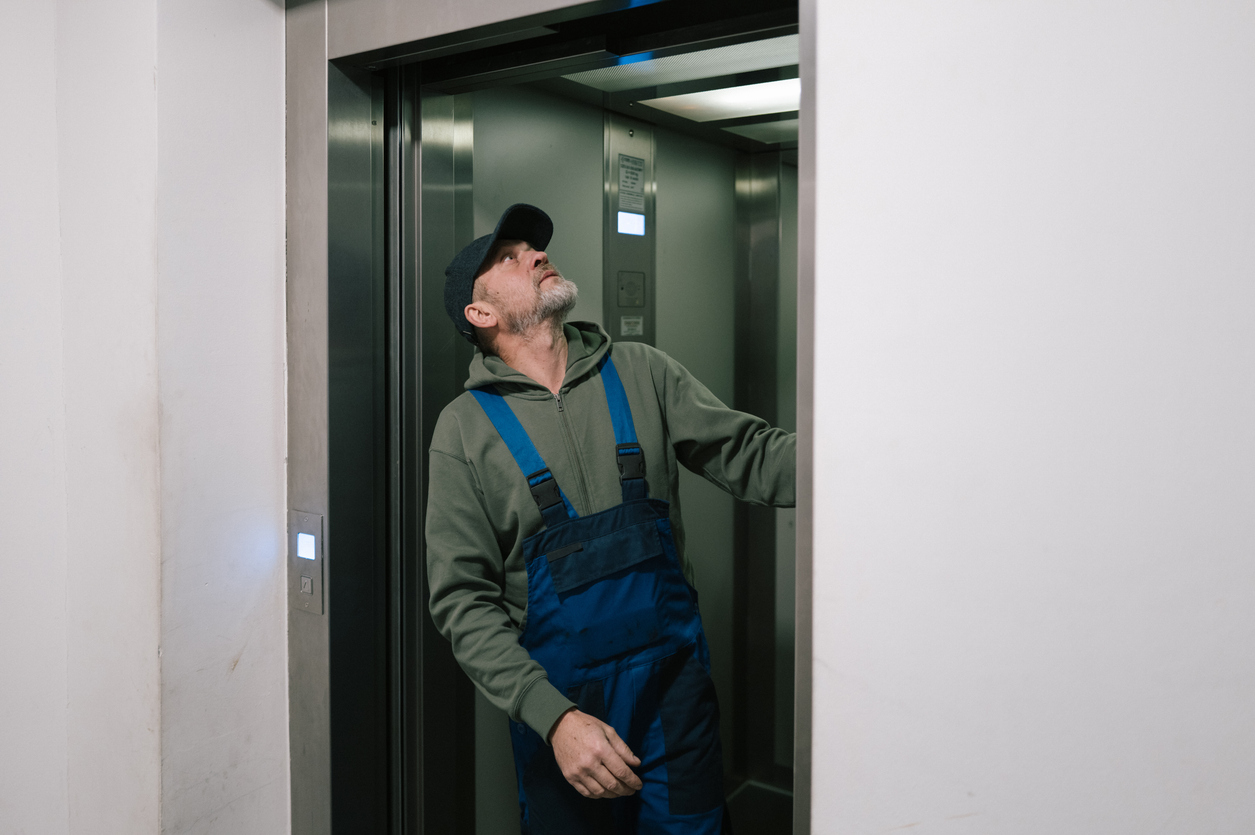
- Equipment breakdown insurance for critical systems like elevators and boilers
- Excess liability coverage for high-severity claims that exceed standard limits
One emerging exposure involves third-party booking platforms. Hotels rely on these systems for reservations, but they also create liability around data handling, payment processing, and service disruptions. Addressing these risks requires tailored coverage, not a one-size-fits-all policy.
Know Your Hotel Insurance Program Inside & Out
Insurance for hotel operations provides essential protection, but its effectiveness depends on how well policies align with actual operations. Misunderstanding what is covered — or assuming coverage exists where it does not — can lead to costly surprises during a claim.
A clear understanding of inclusions and exclusions allows hotel owners to structure coverage with precision. That means evaluating risks, adding the right endorsements, and working with specialists who understand the hospitality space.
If you haven’t reviewed your coverage recently or your operations have changed, take a closer look now. Connect with Provident Protection Plus to evaluate your hotel insurance program and ensure it covers the real risks your property faces.
About Provident Protection Plus
For more than 65 years, Provident Protection Plus has served businesses and residents across several states nationwide. Today, it is a wholly owned subsidiary of Provident Bank, the region’s premier banking institution. To learn more about coverage options, contact their specialists at (888) 990-0526. Call today!