



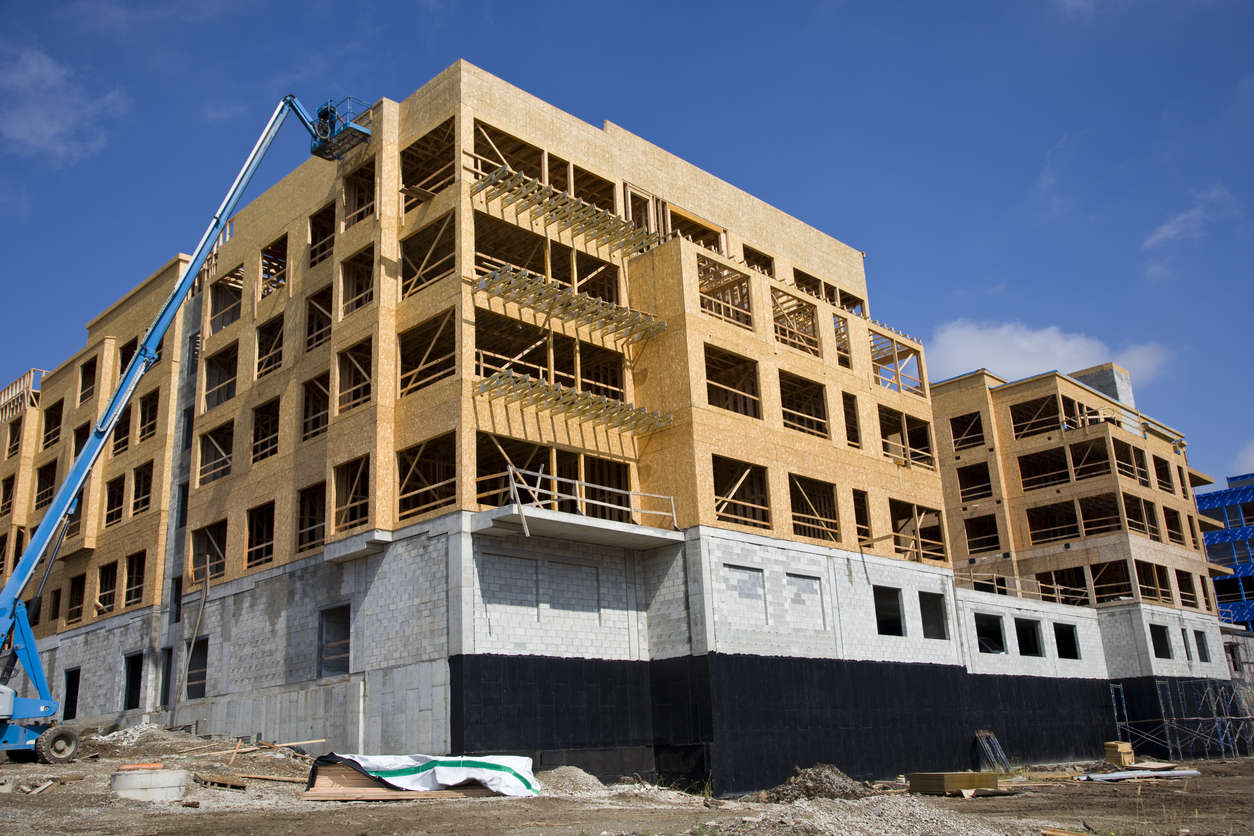
A construction project in Wayne, New Jersey, can bring crews, subcontractors, trucks, tools, heavy equipment, and building materials together on a single jobsite. Each moving part introduces its own potential for loss, from a third-party injury to equipment damage or a road accident. For contractors, construction insurance in Wayne should reflect the work being performed, the people doing it, the assets involved, and the requirements attached to each project.
No one policy addresses every construction exposure. A general contractor overseeing multiple trades has different concerns than an electrician, a landscaper, or a mason. Building a strong insurance program starts with understanding those differences and matching coverage to the work ahead.
Start With Construction Risks
Trade and project type can change the nature of a contractor’s risk. Consider a plumbing contractor working inside an occupied commercial building. A mistake that causes water damage could lead to a third-party property damage claim. On another project, a visitor could trip over materials or equipment and suffer an injury.
Construction general liability insurance can address covered claims involving third-party bodily injury and property damage. However, general liability represents only one piece of the program. It does not replace coverage designed for employee injuries, company vehicles, tools, equipment, or other exposures.
Contractors should consider the full picture, including where crews work, how equipment reaches jobsites, whether subcontractors participate in projects, and what could happen if an incident interrupts work.
Cover People and Equipment
Construction businesses depend on employees and physical assets to keep projects moving. The risks associated with each require separate consideration.
Workers’ compensation can provide coverage for applicable work-related employee injuries. The exposure deserves particular attention in construction: The U.S. Bureau of Labor Statistics reported that construction and extraction workers experienced 1,032 occupational fatalities in 2024, including 370 fatalities from falls, slips, and trips.
Contractors also need to consider the equipment, tools, and other property they use. A stolen tool trailer, damaged mobile equipment, or loss involving materials at a worksite can generate expenses that general liability does not address. Provident Protection Plus offers coverage options for mobile equipment and tools as part of its construction insurance programs.
As contractors add employees, purchase equipment, or change the type of work they perform, their construction insurance in Wayne may need to change with them.
Account for Project Requirements
The risks inherent in the work are only part of the insurance equation. Contracts can impose additional requirements before a job begins.
An owner, general contractor, or other party may require specific coverage types and limits, certificates of insurance, or additional insured status. Those contractual requirements differ from state requirements and can vary from one project to another.
New Jersey rules also depend on the contractor and the type of work. For example, the state requires registered home improvement contractors to maintain at least $500,000 per occurrence in commercial general liability coverage.
Some projects may also require surety bonds. Bonds serve a different purpose than construction general liability insurance and other commercial policies, so contractors should account for both when reviewing project requirements.
Build for the Work Ahead
Before the crews, equipment, and materials come together on the next Wayne jobsite, contractors should know whether their insurance program matches the project.
A new contract, a larger crew, an equipment purchase, or a move into a different type of construction can change the company’s exposures and obligations. Reviewing coverage before those changes helps contractors identify potential gaps rather than discovering them after a claim or contract issue arises.
Provident Protection Plus can help contractors evaluate their current operations and upcoming project requirements. Call today at (888) 990-0526.
Common Construction Insurance Questions
What do contractors need for insurance?
The answer depends on the contractor’s trade, workforce, equipment, vehicles, projects, and contractual obligations. Coverage may include general liability, workers’ compensation, commercial auto, property, equipment coverage, and other policies based on the contractor’s specific exposures. Project contracts and applicable state requirements can also influence what coverage a contractor needs.
Does general liability cover a contractor’s tools and equipment?
General liability primarily addresses covered third-party bodily injury and property damage claims. Contractors generally need separate property or equipment coverage to protect tools, mobile equipment, and other business assets against applicable losses. Relying on liability coverage alone could leave a gap when contractor-owned property is stolen or damaged.
Does construction insurance cover subcontractors?
A contractor’s insurance does not automatically provide the same protection for every subcontractor working on a project. Subcontractors may need to carry their own coverage and provide proof of insurance before beginning work. Contractors should also understand how their policies address subcontracted work, as uninsured or inadequately insured subcontractors can create coverage and financial concerns if a loss occurs.
About Provident Protection Plus
For more than 65 years, Provident Protection Plus has served businesses and residents across several states nationwide. Today, we are a wholly owned subsidiary of Provident Bank, the region’s premier banking institution. To learn more about our coverage options, contact our specialists today at (888) 990-0526.