



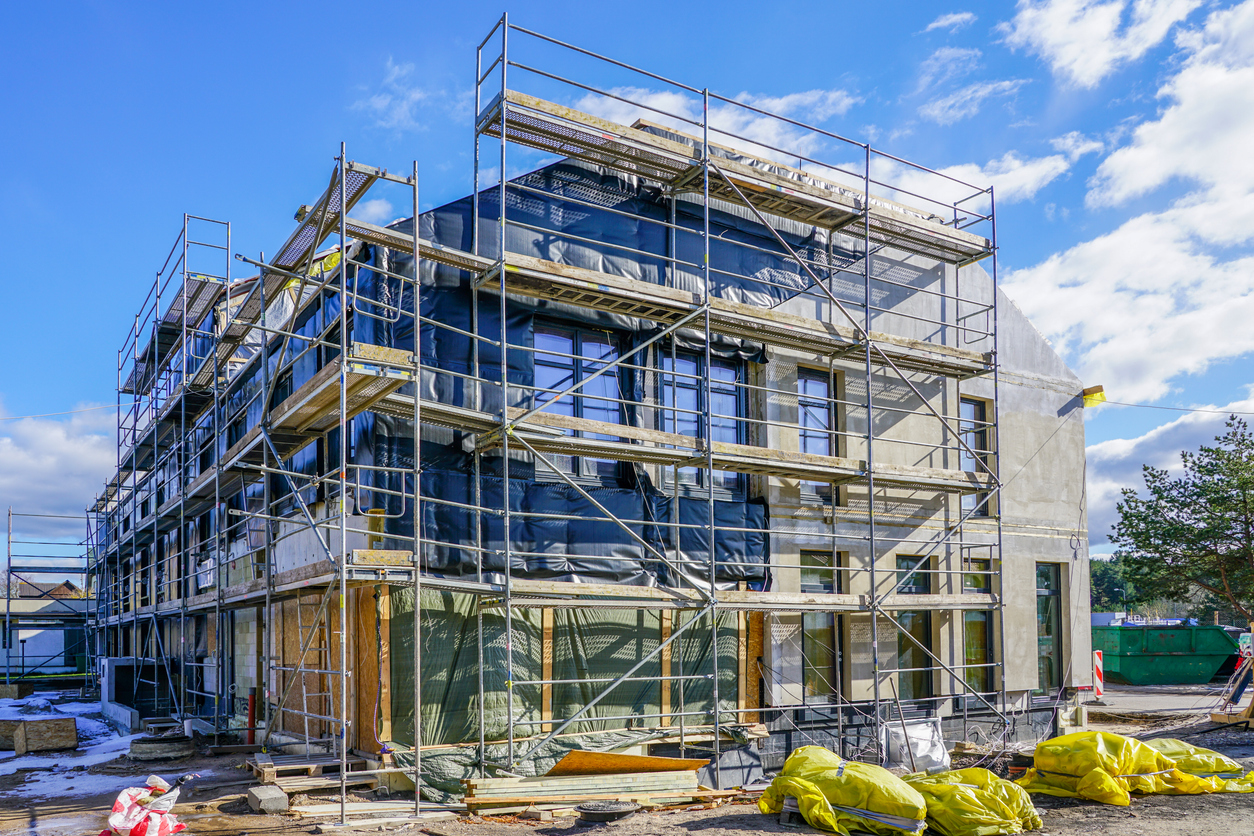
Growth is a milestone for any hotel, but it can outpace the protection a property carries. When operators add rooms, renovate, or launch new services, their hotel insurance coverage often reflects the business they ran years ago, not the one they run today.
Expansion introduces new property, liability, operational, and workforce exposures, and a policy built for a smaller footprint can leave gaps that a single claim exposes. Reviewing coverage before projects wrap up helps owners avoid those surprises.
Expansion Creates New Risks
Adding guest rooms, event spaces, restaurants, pools, or a spa raises the value of what a hotel must protect and changes how guests interact with the property. A new rooftop bar raises liquor liability questions. A larger pool deck adds premises exposure. Higher occupancy brings more foot traffic, more transactions, and more chances for something to go wrong.
Growth isn’t always physical. Heavier guest volume, additional employees, and more complex operations expand risk even when the building stays the same.
Independent properties increasingly earn revenue from non-room categories such as experiences and events. For example, activities like cooking classes, wine tastings, guided tours, and photography workshops account for up to 40% of incremental revenue growth for boutique hotels. Each new line of business carries its own exposure, and a program designed for a simpler operation rarely keeps pace on its own.
Review Hotel Insurance Coverage
The best time to review hotel insurance is before construction or expanded services begin, not after a loss reveals the shortfall. Renovations, added locations, and new amenities and service offerings all change what a property needs to insure. Outdated building valuations can leave an owner underinsured at replacement cost, while liability limits set for a simple operation may fall short once guest traffic climbs.
A practical review checks whether current policies match the hotel’s actual size, services, and staffing. Understanding what a standard program covers, where exclusions sit, and what types of additional coverage or endorsements may be needed sharpens those conversations.
Owners should also account for timing. With artificial intelligence assisting in design and construction, the build and renovation cycles are shorter. Faster projects mean coverage reviews need to keep up.
Keeping Pace With Growth
Expansion touches property, liability, and operational exposures simultaneously, so insurance should be evaluated whenever facilities, services, staffing, or guest volume shift.
Treating coverage as a living part of the growth plan, reviewed alongside each major project, keeps protection aligned with the business as it scales. Contact Provident Protection Plus to learn more.
FAQ on Hotel Insurance Coverage
Does renovation affect hotel insurance?
Yes. Renovations and construction can introduce temporary risks worth reviewing before work begins. Finished upgrades often raise property values and change insurance needs.
Can expansion create coverage gaps?
It can. New amenities, higher occupancy, and expanded facilities can reshape a property’s risk profile, but existing policies don’t adjust automatically. Reviewing coverage whenever services or facilities change helps close those gaps.
How often should a hotel review its insurance?
At a minimum, review coverage once a year and again before any major project or operational change. A new building, an added amenity, a jump in staffing, or a busier season can all shift a property’s exposures between annual renewals. Tying a review to each milestone keeps the program current rather than waiting for the next policy term.
About Provident Protection Plus
For more than 65 years, Provident Protection Plus has served businesses and residents across several states nationwide. Today, we are a wholly owned subsidiary of Provident Bank, the region’s premier banking institution. To learn more about our coverage options, contact our specialists today at (888) 990-0526.